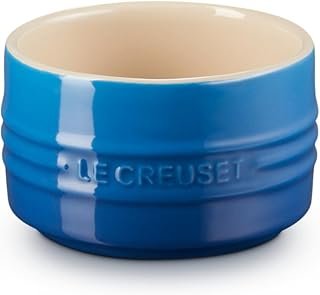
Ramekins are individual portion-sized ceramic baking dishes used for a wide range of savory and sweet preparations. They are more versatile than most cooks realize, and a set of quality ramekins is a genuine kitchen workhorse.
What Ramekins Are Used For
Ramekins handle a wide range of cooking applications: creme brulee and pots de creme (custards cooked in a water bath); individual souffles; French onion soup (oven-safe for broiling the cheese top); individual pot pies with pastry lids; baked eggs (oeufs en cocotte); molten chocolate lava cakes; individual portions of mousse or pudding served cold; mise en place (organizing pre-measured ingredients for cooking); serving small condiments and dipping sauces at the table.
Standard Sizes
The most common ramekin sizes are 4 oz (120ml), 6 oz (180ml), and 8 oz (240ml). The 6 oz size is the most versatile for most cooking applications — it handles creme brulee portions, individual desserts, and appetizer servings well. The 4 oz size is better for smaller custards and condiment serving. The 8 oz size suits pot pies and larger dessert portions.
Materials
Porcelain
Porcelain ramekins are the most common and versatile. They heat evenly in the oven, are microwave safe, dishwasher safe, and are attractive enough to go from oven to table. Le Creuset and other brands make high-quality porcelain ramekins that withstand repeated heating and cooling cycles without cracking.
Stoneware
Stoneware ramekins are thicker and heavier than porcelain. They retain heat very well, which helps keep hot preparations warm at the table. They are more durable against chipping. The thickness means they heat slightly more slowly but maintain temperature longer.
Glass
Tempered glass ramekins (like Pyrex) are oven safe, microwave safe, and transparent — which allows you to monitor custard color and set from the outside. They do not go from freezer to oven directly (thermal shock risk). Better suited to cold preparations and microwave use than high-heat oven applications.
Heat Resistance
For applications like broiling French onion soup or caramelizing creme brulee under a broiler, the ramekin must withstand direct high heat. Check that the ramekin is oven safe to at least 220°C (430°F) and broiler safe. Porcelain and stoneware typically meet this standard; some specialty porcelain (like Le Creuset) is specifically marketed as broiler safe.
Straight vs. Sloped Sides
Ramekins with straight sides produce taller, more uniform portions that unmold cleanly if needed. Slightly flared or sloped sides make it easier to eat directly from the ramekin. For creme brulee and custards served in the dish, the shape is primarily aesthetic. For unmolded desserts (panna cotta, creme caramel), straight sides produce a cleaner cylinder shape.
Set Composition
Most ramekin sets come in 4 or 6 pieces of the same size. Sets of the same size ensure consistent baking times when cooking multiple portions simultaneously. Having two size options (4 oz and 6 oz sets) covers a broader range of applications.
What to Look For
For most home kitchens, a set of six 6 oz porcelain ramekins from a reputable brand is the most practical starting point. Le Creuset, Staub, and OXO all make quality ramekin sets. Look for oven- and broiler-safe ratings and dishwasher compatibility.
Summary
Ramekins are more versatile than their name suggests. A quality set of six porcelain ramekins in the 6 oz size handles everything from custards to souffles to individual pot pies. Size, material, and heat resistance are the key factors in choosing a set that serves your cooking well.
You can check more details and current options on Amazon here.